
In a world filled with meetings, conversations, and information overload, how do we make sure the important things we hear do not simply get forgotten?
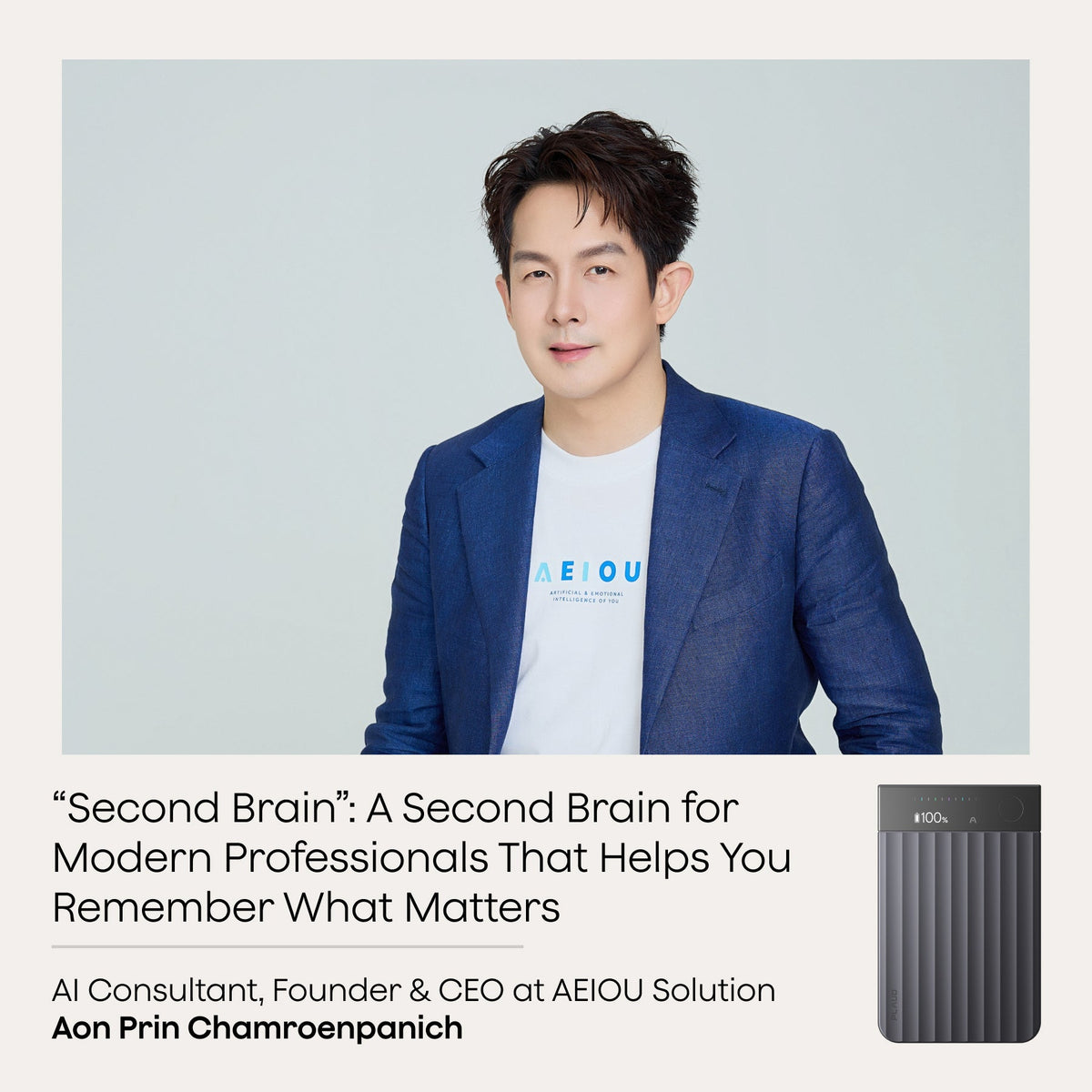
For Aon Prin Chamroenpanich, Founder & CEO at AEIOU Solution a marketing and AI consultant, this question is part of everyday working life. Beyond client and team meetings, he also delivers frequent talks, workshops, and seminars — sometimes as many as 10–20 sessions in a single month.
Each day is filled with conversations, client feedback, and new ideas. Some happen in meeting rooms, some over meals with executives, and sometimes the best ideas arrive while he is driving.
Of course, no one can remember every detail from every conversation. That is what led Aon to look for a tool that could help capture and preserve those moments.
From an AI Note Taker to an Everyday Work Companion
Aon first discovered Plaud overseas before deciding to purchase and use it himself. One of the first things that impressed him was the quality of its audio recording.
He shared that even when Plaud was placed at the back of a seminar room filled with hundreds of attendees, while he was speaking from the stage, the device could still capture his voice clearly.
For someone who regularly speaks at events and attends meetings, this matters. It means he can focus on the conversation or presentation without constantly worrying about whether important information is being captured.
Another major change came after the recording itself.
Previously, he would record audio on his phone, convert the recording into text, and then pass the transcript to an AI tool for summarization. Today, he can use Plaud to record and transcribe more seamlessly before bringing the information into ChatGPT for further work.
Aon gave one example: after delivering a one-hour talk, he can quickly turn the recorded content into a summary and prepare a Facebook post from it — sometimes before the speaker has even left the stage.
For him, the value is not simply having an audio file stored somewhere. It is being able to immediately turn what was just said into something useful.
“Ask Plaud” and the Development of a Personal Second Brain
What makes Aon’s workflow particularly interesting is that he does not stop at recording and summarizing meetings.
He has built his own working system, using ChatGPT as a central hub to connect information from different sources. He calls this workspace Jarvis.
Information from meetings, client conversations, and captured ideas can all be brought together, questioned, analyzed, and connected.
For example, if he needs to prepare a new presentation for a client he met the previous month, he can use “Ask Plaud” to revisit what the client had said or requested, then compare those insights against the content he is currently preparing.
Instead of searching through old audio files one by one, or trying to remember what was discussed, he can begin simply by asking the information he has already captured.
Aon has also created an AI agent named Yumi, which acts like a personal assistant — helping organize post-meeting information and feed it back into his broader system.
He also has a workflow that summarizes information every morning at 7:00 AM and sends an update to his team via LINE.
This is what Aon describes as a Second Brain — not something that thinks for us, but a system that helps preserve the details our own memory cannot realistically hold onto forever.


Because Important Information Does Not Only Happen in Meeting Rooms
Aon’s work does not take place only in online meetings.
Sometimes he receives one set of information from his team on a video call, but later hears a different perspective when meeting a client or executive face-to-face over lunch or dinner.
If those conversations are captured separately, it can become difficult to remember who said what, or how one comment connects to another discussion.
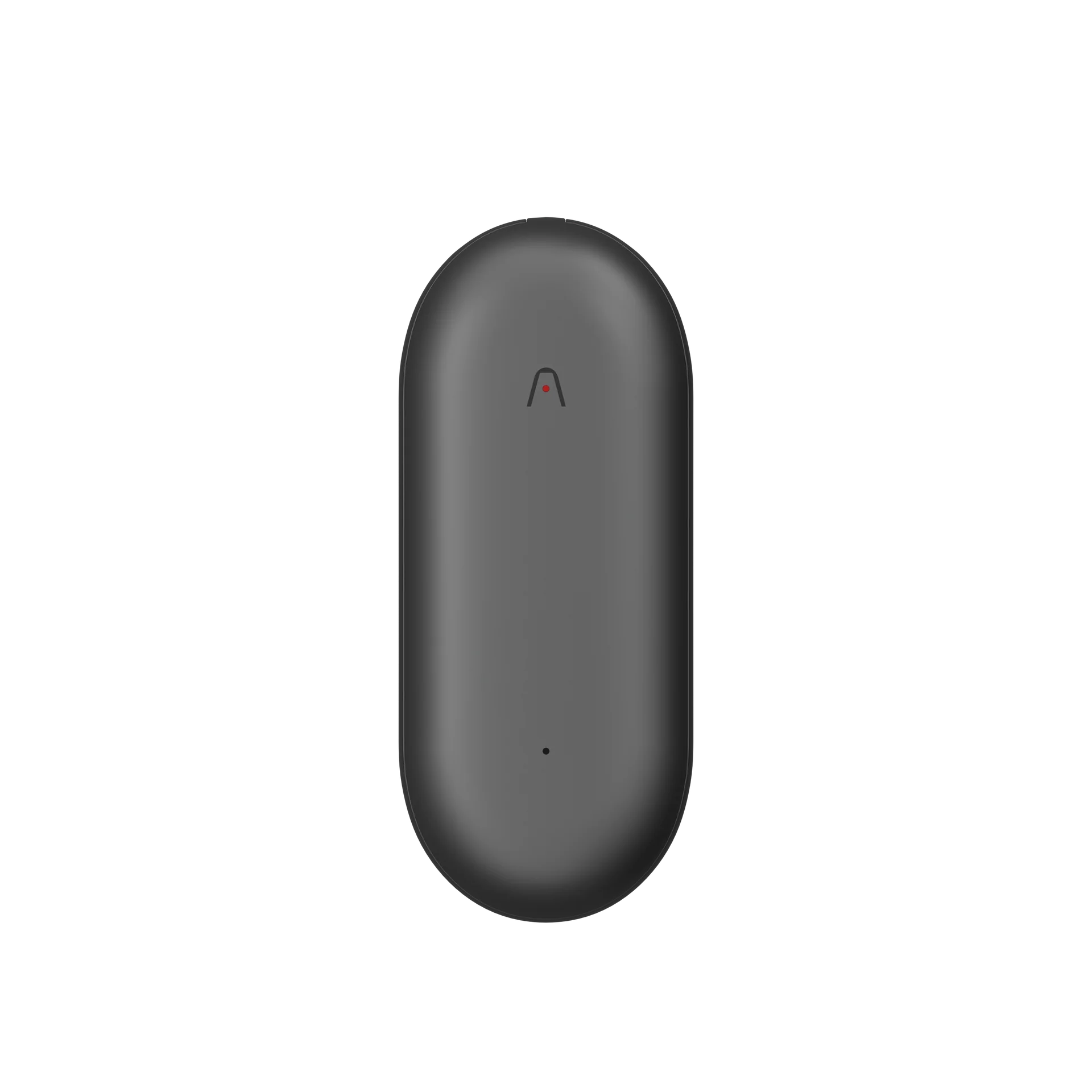
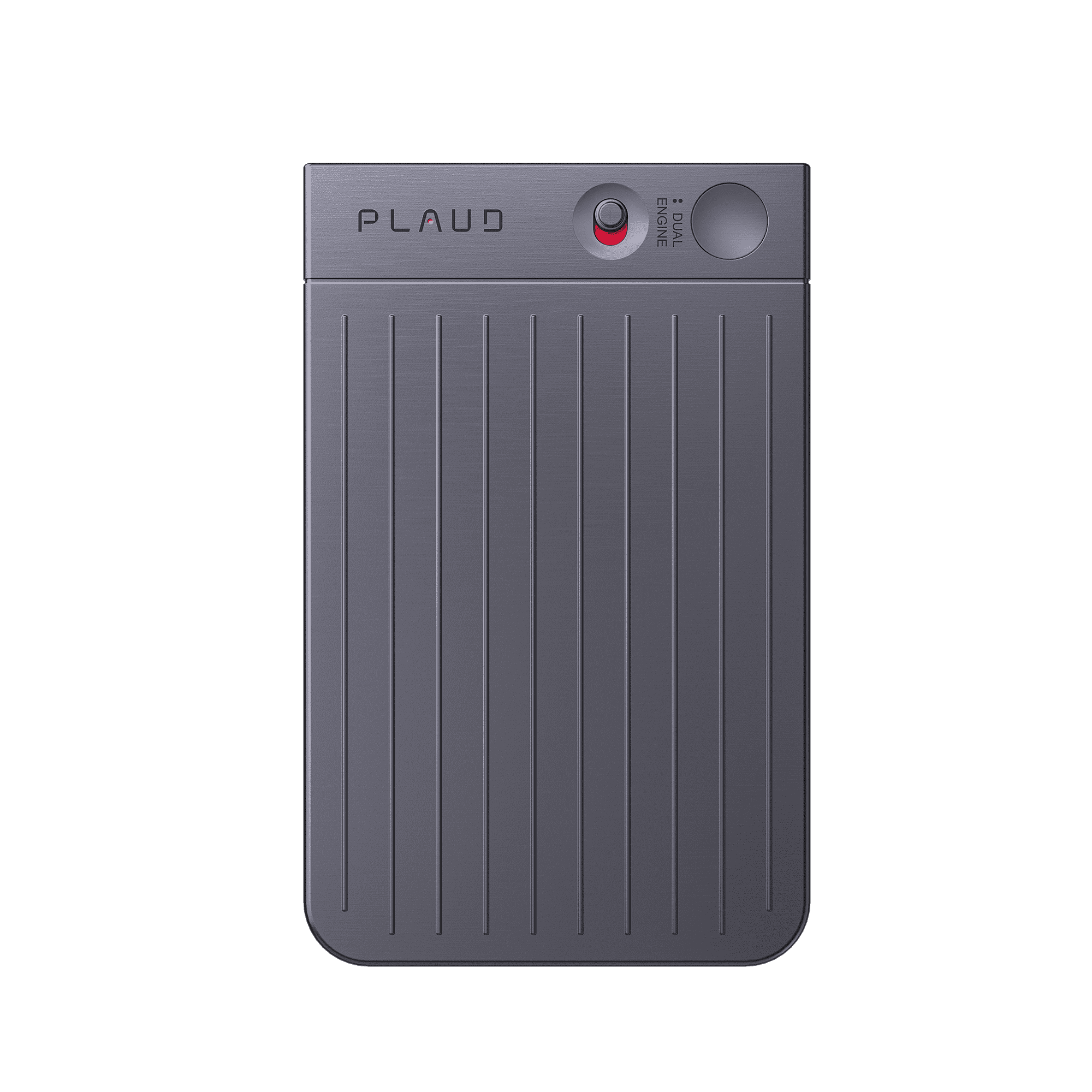
That is why Aon uses both Plaud Note and Plaud NotePin depending on the situation — from meetings and speaking engagements to capturing ideas while travelling.
His goal is not to accumulate a large library of audio files.
It is to collect information from different moments across his working life and make those moments searchable and connected later.
Thai Transcription That Can Be Used in Real Work
When it comes to Thai-language transcription, Aon finds the accuracy practical enough for real-world use.
Even when conversations include different accents, slang, or natural variations in spoken Thai, the transcript can still be used as input for AI analysis and summarization without losing too much of the original context.
For Thai-language AI summaries, Aon still prefers to connect Plaud with ChatGPT.
This makes the workflow smoother because information captured in Plaud can be quickly transferred into an AI environment he already uses regularly.
The Real Value of Plaud May Not Be How Many Hours It Can Record — But the Time It Gives Back
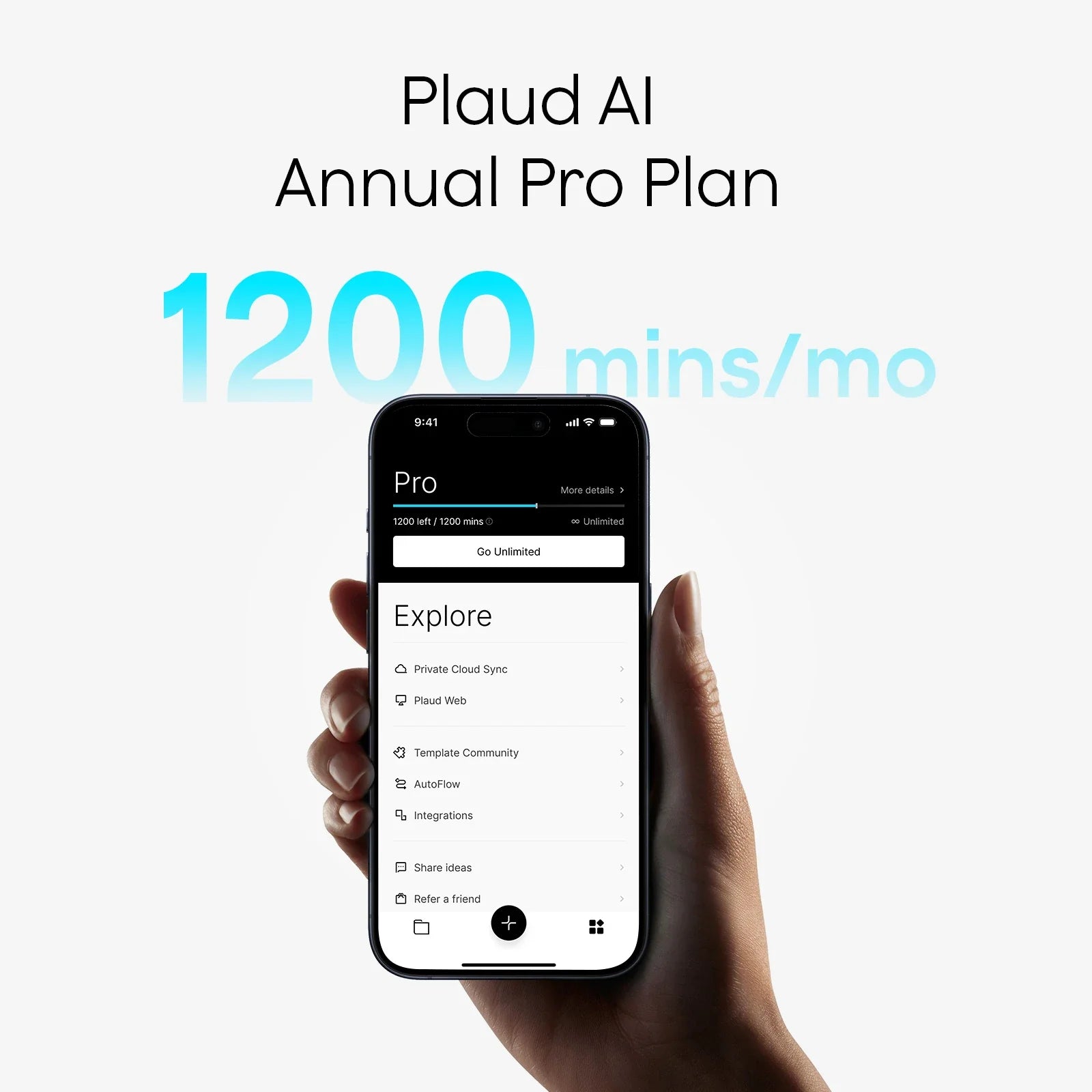
When discussing subscription costs, Aon does not see them as a major barrier.
What matters more to him is the amount of time saved and how easily previously captured information can be brought back into his work.
If Plaud is seen only as an audio recorder, it may be difficult to justify investing much in it.
But once it becomes a tool for capturing thoughts, memories, and context from everyday work, its value begins to change.
That becomes especially clear on days when he needs to revisit a meeting from several weeks ago, or when an idea comes to him while travelling and he wants to develop it later without having to start from scratch.
Ultimately, what matters to Aon is not recording everything simply for the sake of keeping it.
It is making sure that information which once passed through his working life can continue to remain useful.
Because we may not need to remember every conversation — but we should have a way to return to what matters when we need it.
And perhaps that is the most practical meaning of having a Second Brain close at hand.