เครื่องบันทึกเสียงขนาดเล็กเป็นอุปกรณ์พกพาขนาดเล็กที่บันทึกเสียงแบบดิจิทัล มันทำงานเหมือนเครื่องบันทึกเสียงทั่วไป เพียงแต่มีขนาดเล็กพอที่จะไม่เป็นที่สังเกต และในบางกรณีอาจซ่อนไว้ได้อย่างมิดชิด อุปกรณ์ขนาดจิ๋วเหล่านี้มีไมโครโฟนขนาดเล็กและมีหน่วยความจำในตัวสำหรับบันทึก ถอดเสียง และวิเคราะห์เสียงจากการสนทนา
รูปแบบการใช้งานของเครื่องบันทึกเหล่านี้แตกต่างจากเครื่องบันทึกขนาดใหญ่ที่คุณเคยเห็นมาก่อนเล็กน้อย
โดยทั่วไปแล้วมักใช้สำหรับการเฝ้าระวังอย่างลับๆ การสัมภาษณ์แบบเผชิญหน้า การบันทึกบันทึกทางการแพทย์ ( เพื่อหลีกเลี่ยงการรบกวนผู้ป่วย ) การบันทึกการบรรยาย และการบันทึกการดำเนินธุรกิจประจำวัน
คุณอาจเคยเห็นเครื่องบันทึกเสียงเหล่านี้ติดอยู่บนปกเสื้อของนักข่าวระหว่างการสัมภาษณ์ วางอยู่บนโต๊ะประชุม หรือบนโต๊ะของนักศึกษาเพื่อใช้บันทึกบทเรียนในวิทยาลัย
ตลาดอุปกรณ์บันทึกเสียงขนาดเล็กเหล่านี้ยังคงเติบโตอย่างต่อเนื่อง รายงานการวิเคราะห์ขนาด ส่วนแบ่ง และแนวโน้มตลาดเครื่องบันทึกเสียงดิจิทัลทั่ว โลก – ภาพ รวมอุตสาหกรรมและการคาดการณ์ถึงปี 2032 จาก Data Bridge Market Research ระบุว่า ตลาดเครื่องบันทึกเสียงดิจิทัลทั่วโลกคาดว่าจะเติบโตถึง 2.89 พันล้านดอลลาร์ภายใน ปี 2032
นั่นคือหลักพันล้าน ...
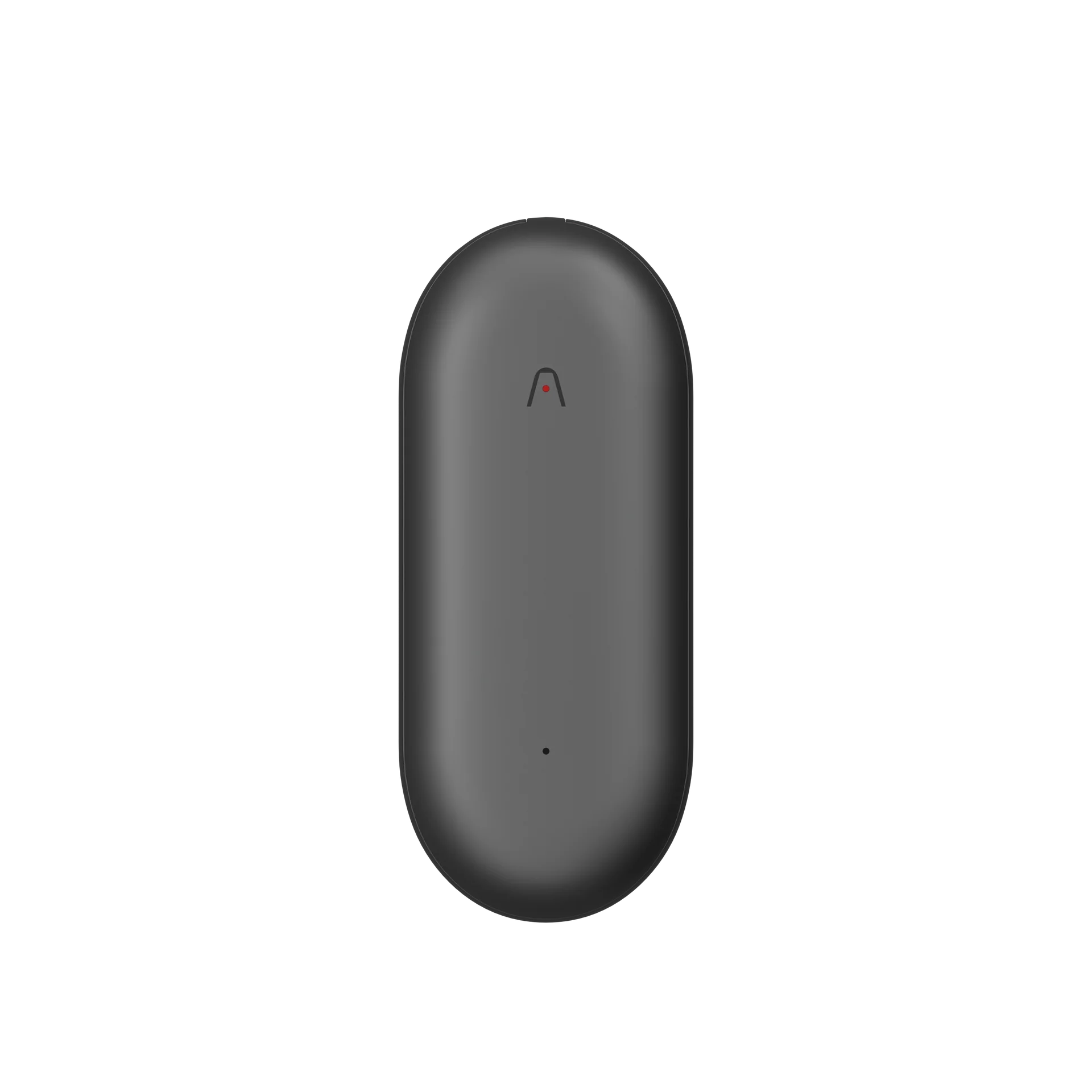
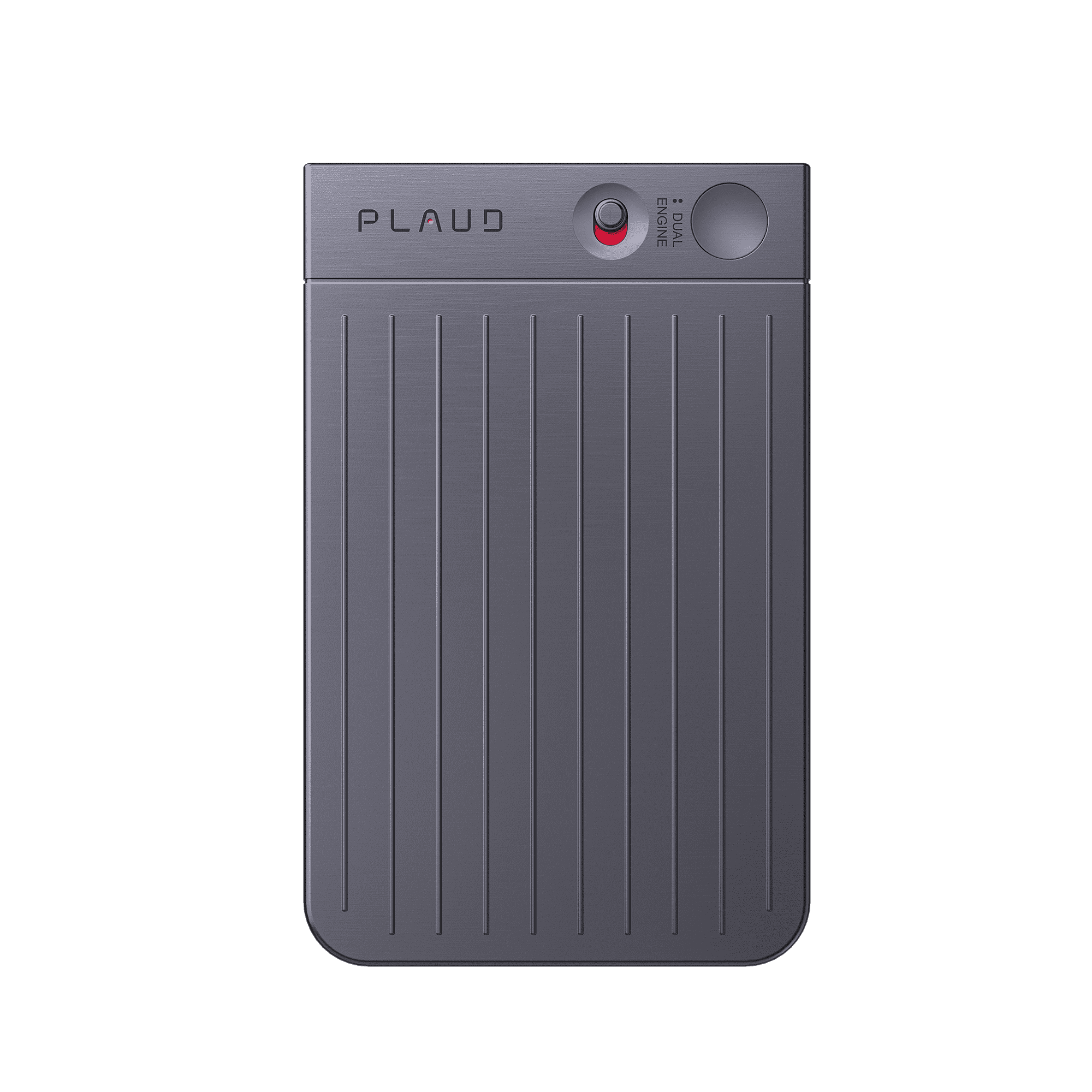
ที่ Plaud เราภูมิใจที่ได้จำหน่ายอุปกรณ์บันทึกเสียงขนาดเล็กที่ใช้เทคโนโลยี AI ที่ล้ำหน้าที่สุดในโลก นั่นคือ Plaud NotePin
ในคู่มือนี้ เราจะแนะนำทุกสิ่งที่คุณจำเป็นต้องรู้เกี่ยวกับเครื่องบันทึกเสียงขนาดเล็ก รวมถึง:
- พวกเขาคืออะไร
- คุณสมบัติหลัก
- กรณีศึกษา
- ประเภทต่างๆ
- ความถูกต้องตามกฎหมายของพวกเขา
มาเริ่มกันเลย
เครื่องบันทึกเสียงขนาดเล็กคืออะไร?

เครื่องบันทึกเสียงขนาดเล็กเป็นอุปกรณ์ดิจิทัลขนาดกะทัดรัดที่ออกแบบมาเพื่อบันทึกและจัดเก็บเสียงคุณภาพสูง ในขณะที่ต้องมีขนาดเล็กจนแทบมองไม่เห็น ประกอบด้วยไมโครโฟน โปรเซสเซอร์ และระบบจัดเก็บข้อมูล ทั้งหมดนี้บรรจุอยู่ในขนาดที่เล็กกว่าโทรศัพท์ของคุณ
คุณอาจได้ยินชื่อเรียกอื่นๆ เช่น เครื่องบันทึกเสียงดิจิทัล อุปกรณ์บันทึกเสียง หรือเครื่องบันทึกเสียงแบบพกพา บางครั้งอาจเรียกว่า "ดิกตาโฟน" (dictaphone) แต่จริงๆ แล้วนี่เป็นชื่อทางการค้าที่ใช้กันมาตั้งแต่ศตวรรษที่แล้ว และยังคงใช้เป็นชื่อเรียกทั่วไปของเครื่องบันทึกเสียงแบบพกพาอยู่
อ่านเพิ่มเติม: อ่านคู่มือของเราเกี่ยวกับ เครื่องบันทึกเสียงเทียบกับเครื่องบันทึกเสียงแบบดิจิทัล เพื่อเรียนรู้เพิ่มเติมว่าอุปกรณ์ใดเหมาะสมกับคุณมากกว่า
ตัวอย่างทั่วไปของอุปกรณ์บันทึกเสียงขนาดเล็ก ได้แก่:
- เครื่องบันทึกเสียงแบบพกพา
- อุปกรณ์ USB เครื่องบันทึกเสียงแบบปากกา
- พวงกุญแจรุ่นต่างๆ
- อุปกรณ์สวมใส่ เช่น คลิปหนีบ สร้อยคอ หรือจี้ AI
สิ่งที่ทำให้เครื่องบันทึกเสียงขนาดเล็กแตกต่างจากการใช้โทรศัพท์หรือแอปบันทึกเสียงอื่นๆ คือ เครื่องบันทึกเสียงขนาดเล็กได้รับการออกแบบมาเพื่อจุดประสงค์เดียว นั่นคือ การบันทึกเสียง
แล้วสิ่งนี้หมายความว่าอย่างไรสำหรับคุณ? หมายความว่าหูฟังเหล่านี้มาพร้อมไมโครโฟนที่ดีกว่า แบตเตอรี่ใช้งานได้นานกว่า และบันทึกเสียงได้ง่ายกว่าเดิมด้วยการแตะเพียงครั้งเดียว
ขออนุญาตยกตัวอย่างให้ฟัง...
สมาร์ทโฟนทั่วไปอาจใช้งานได้นาน 3-4 ชั่วโมงก่อนแบตจะหมด แต่เครื่องบันทึกเสียงขนาดเล็กโดยเฉพาะสามารถใช้งานได้นาน 20-30 ชั่วโมงต่อการชาร์จหนึ่งครั้ง
นอกจากนี้ อุปกรณ์บันทึกเสียงขั้นสูงหลายชนิด เช่น Plaud NotePin ของเรา ยังสามารถวิเคราะห์คำพูดเพื่อหาแบบแผน แสดงรายการการกระทำ และให้ข้อมูลเชิงลึกอย่างละเอียดได้อีก ด้วย
อุปกรณ์เหล่านี้กำลังได้รับความนิยมเพิ่มขึ้นอย่างรวดเร็ว ส่วนหนึ่งเป็นผลมาจากความเฟื่องฟูของปัญญาประดิษฐ์ (AI) และอีกส่วนหนึ่งเป็นผลมาจากการเติบโตของภาคการทำงานทางไกล
จากข้อมูลของ The Business Research Company ในหน้าเว็บ “ รายงานตลาดเครื่องบันทึกเสียงดิจิทัลทั่วโลกปี 2025 ” พบว่า ตลาดเครื่องบันทึกเสียงดิจิทัลเติบโตจาก 1.79 พันล้านดอลลาร์ในปี 2024 เป็น 1.94 พันล้านดอลลาร์ในปี 2025 ด้วยอัตราการเติบโตเฉลี่ยต่อปีแบบทบต้นที่ 8.6% นับว่าไม่เลวเลยสำหรับอุปกรณ์ที่บางคนบอกว่าสมาร์ทโฟนทำให้ล้าสมัยไปแล้ว
อุปกรณ์บันทึกเสียงขนาดเล็กมีคุณสมบัติอะไรบ้าง?
อุปกรณ์บันทึกเสียงขนาดเล็กมีคุณสมบัติทั่วไปครบครันเช่นเดียวกับอุปกรณ์บันทึกเสียงขนาดใหญ่ เช่น การบันทึกเสียง การถอดเสียง การสรุป และการเล่นเสียง บางรุ่น เช่น ผลิตภัณฑ์ Plaud ของเรา ยังมีคุณสมบัติผู้ช่วยการประชุมด้วย AI ขั้นสูง เช่น การระบุผู้พูด การแสดงรายการสิ่งที่ต้องทำ การสรุปเนื้อหา และอื่นๆ อีกมากมาย
รายการนี้ครอบคลุมคุณสมบัติหลักบางประการของเครื่องบันทึกเสียงขนาดเล็ก:
- การบันทึกเสียง : นี่คือฟังก์ชันหลักของอุปกรณ์เหล่านี้ทั้งหมด พวกมันสามารถบันทึกได้ทุกอย่าง ตั้งแต่บทสนทนาเบาๆ ไปจนถึงการประชุมในห้องประชุมที่มีเสียงดัง นั่นเป็นเหตุผลที่อุปกรณ์เหล่านี้ได้รับความนิยมอย่างมากสำหรับการประชุม การเฝ้าระวัง และการจดบันทึกผู้ป่วย
- การถอดเสียง : อุปกรณ์สมัยใหม่ส่วนใหญ่แปลงเสียงที่บันทึกไว้เป็นข้อความที่ค้นหาได้โดยที่คุณไม่ต้องพิมพ์แม้แต่คำเดียว ด้วยความก้าวหน้าของ AI คุณจะได้รับการถอดเสียงที่แม่นยำสูงแม้จะมีผู้พูดหลายคน อุปกรณ์บันทึกเสียง Plaud ของเรามีความแม่นยำใกล้เคียง 100% มากที่สุดเท่าที่จะเป็นไปได้ อาจจะไม่ถึง 100% แต่ก็ใกล้เคียงมาก
- การจดบันทึก : ระบบจดบันทึกด้วย AI ช่วยให้คุณติดแท็กช่วงเวลาสำคัญระหว่างการบันทึก เพื่อให้คุณสามารถข้ามไปยังข้อมูลสำคัญได้ทันที เช่น รายการที่ต้องดำเนินการหรือกำหนดเวลา
- การสรุป : AI จะวิเคราะห์บันทึกการประชุมของคุณและให้บทสรุปที่แม่นยำและนำไปใช้ได้จริง คุณจะได้รับเวอร์ชันย่อของการประชุมของคุณในเวลาเพียงไม่กี่วินาที
- ผู้ช่วยในการประชุม : คุณสมบัติเหล่านี้จะระบุผู้พูด ติดตามรายการดำเนินการ และจัดระเบียบหัวข้อการสนทนาให้คุณโดยอัตโนมัติ เราขอแนะนำให้คุณมองหา อุปกรณ์บันทึกเสียงที่ทำหน้าที่เป็นผู้ช่วยในการประชุมด้วย
- คุณสมบัติ AI : แม้แต่เครื่องบันทึกเสียงขนาดเล็กมากก็สามารถมีคุณสมบัติปัญญาประดิษฐ์ขั้นสูงได้ เช่น การแปลภาษาอัตโนมัติ การวิเคราะห์ความรู้สึก หรือแม้แต่การแนะนำคำถามเพิ่มเติมตามบทสนทนาของคุณ
- การเล่น : ตัวเลือกต่างๆ โดยทั่วไปจะรวมถึงการควบคุมความเร็วในการเล่น ( ฟังที่ความเร็ว 1.5 เท่า หรือ 2 เท่า ) คุณสมบัติการข้ามช่วงเงียบ และการคั่นหน้าเพื่อใช้อ้างอิงอย่างรวดเร็ว
- การบันทึกการสนทนา : อุปกรณ์บันทึกเสียงขนาดเล็กใช้ไมโครโฟนพิเศษเพื่อบันทึกการสนทนาทางโทรศัพท์ทั้งสองฝ่าย แม้ว่าคุณจะไม่ได้เปิดลำโพงก็ตาม คุณควรตรวจสอบ กฎหมายเกี่ยวกับการสนทนาหรือการบันทึกการโทรในท้องถิ่น (เกี่ยวกับการขอความยินยอม) ก่อนที่จะบันทึกผู้อื่น
- การสั่งงานด้วยเสียง : เครื่องบันทึกเสียงที่สั่งงานด้วยเสียงเหมาะอย่างยิ่งสำหรับการใช้งานทางธุรกิจและส่วนบุคคล เนื่องจากจะไม่บันทึกเสียงเงียบ เครื่องจะทำงานเฉพาะเมื่อมีการใช้งานเท่านั้น ซึ่งช่วยยืดอายุการใช้งานแบตเตอรี่และเพิ่มประสิทธิภาพ
เครื่องบันทึกเสียงขนาดเล็กสามารถนำไปใช้งานได้หลากหลายกรณีอย่างไรบ้าง?

เหตุผลหลักที่ผู้คนใช้เครื่องบันทึกเสียงขนาดเล็กคือเพื่อการบันทึกอย่างรอบคอบในสถานที่ทำงาน การเฝ้าระวัง การสัมภาษณ์ และงานด้านวารสารศาสตร์ ตัวอย่างเช่น นักบำบัดหลายคนใช้เครื่องบันทึกเสียงขนาดเล็กที่ไม่เป็นที่สังเกตขณะบันทึกบทสนทนาเพื่อให้ผู้ป่วยรู้สึกสบายใจ นักข่าวอาจใช้เครื่องบันทึกเสียงที่ซ่อนไว้เพื่อให้การสัมภาษณ์ดูใกล้ชิดยิ่งขึ้น
เรามาดูตัวอย่างการใช้งานเพิ่มเติมของอุปกรณ์ขนาดเล็กเหล่านี้กันดีกว่า:
การบันทึกการประชุม
การประชุมเป็นกรณีการใช้งานที่พบบ่อยที่สุดสำหรับอุปกรณ์เหล่านี้ และเป็นเหตุผลหลักที่ลูกค้าของเราเลือกใช้เครื่องบันทึกเสียง AI ของ Plaud
นี่คือเหตุผล…
ระหว่างการประชุม เป็นเรื่องยากที่จะมีส่วนร่วมในการอภิปรายอย่างกระตือรือร้นไปพร้อมๆ กับการจดบันทึกเกี่ยวกับการตัดสินใจ รายการดำเนินการ และผู้ที่รับผิดชอบอะไรบ้าง เป็นไปไม่ได้ที่จะทำทั้งสองอย่างให้ดีพร้อมกัน การจำว่าใครพูดอะไรบ้างก็ยากพออยู่แล้ว
ลูกค้าของ Plaud แก้ปัญหานี้ได้ด้วยการหนีบเครื่องบันทึกเสียงไว้กับเสื้อหรือวางไว้บนโต๊ะ พวกเขาเข้าร่วมการสนทนาในขณะที่อุปกรณ์บันทึกทุกอย่าง หลังจากเสร็จสิ้นการประชุม แอป Plaud จะส่งบันทึกการประชุมฉบับเต็มพร้อมระบุเวลา ซึ่งทำให้ง่ายต่อการค้นหาข้อมูลสำคัญ เช่น กำหนดเวลา การตัดสินใจที่สำคัญ และใครตกลงอะไรบ้าง
อ่านเพิ่มเติม: ต้องการบันทึกการประชุมใช่ไหม? เรามีคู่มือสำหรับการบันทึกการประชุมผ่าน Teams , Zoom และ Google Meet
การสัมภาษณ์และการบันทึกเสียงผู้ป่วย
นักบำบัด แพทย์ และพยาบาลชื่นชอบเครื่องบันทึกเสียงขนาดเล็ก เพราะช่วยให้พวกเขาสามารถจดจ่ออยู่กับการปฏิสัมพันธ์กับผู้ป่วยแทนที่จะจ้องมองหน้าจอหรือแผนภูมิ อุปกรณ์บันทึกเสียงขนาดเล็กที่ไม่เกะกะช่วยให้พวกเขาสามารถอยู่กับผู้ป่วยได้อย่างเต็มที่โดยไม่รบกวนผู้ป่วย
ผู้ป่วยที่เข้ารับการบำบัด ทันตกรรม หรือการรักษาทางการแพทย์ ไม่ต้องการรู้สึกว่าตนเองถูกกดดันหรือกดดัน
ไมโครโฟนหรืออุปกรณ์บันทึกเสียงขนาดใหญ่อาจทำให้ผู้ป่วยรู้สึกประหม่าและทำให้พวกเขาไม่สามารถอธิบายอาการของตนได้อย่างครบถ้วน (โดยเฉพาะอย่างยิ่งเมื่อพูดถึงหัวข้อที่ละเอียดอ่อน)
อุปกรณ์ขนาดเล็กนี้สามารถบันทึกได้อย่างแนบเนียน โดยไม่ทำให้ผู้ป่วยรู้สึกเหมือนถูกสอบสวน สามารถวางไว้ที่มุมโต๊ะหรือหนีบติดกับเสื้อผ้า และบันทึกการนัดหมายทั้งหมด จากนั้นจะสรุปข้อมูลสำคัญ เช่น อาการ ความกังวลของผู้ป่วย ใบสั่งยา และการตรวจติดตามผล
อุปกรณ์เหล่านี้ยังช่วยให้การตรวจสอบคำบอกเล่าทางการแพทย์ง่ายขึ้นมาก แทนที่จะต้องฟังคำบอกเล่าเป็นชั่วโมงๆ ผู้เชี่ยวชาญทางการแพทย์สามารถดู บันทึกที่สร้างโดย AI ในแอป และค้นหาข้อมูลเฉพาะในคำบอกเล่าได้
สำหรับข้อมูลเพิ่มเติมเกี่ยวกับวิธีที่ AI สามารถช่วยเหลือผู้ให้บริการด้านการดูแลสุขภาพ โปรดดู คู่มือของเราในหัวข้อนี้
การสืบสวนและเฝ้าระวังส่วนตัว
เครื่องบันทึกเสียงขนาดเล็กมักถูกใช้ในงานสืบสวนส่วนตัวและการเฝ้าระวัง เนื่องจากมีความแนบเนียนมาก การบันทึกเสียงแบบลับๆ ประเภทนี้มักผิดกฎหมาย ดังนั้นเราขอแนะนำให้คุณปรึกษาทนายความก่อนบันทึกเสียงโดยไม่ได้รับความยินยอมจากผู้อื่น
อุปกรณ์บันทึกเสียงแบบซ่อนหรือแบบไม่เปิดเผยนั้น มักใช้ในการบันทึกบทสนทนาและการรวบรวมหลักฐานเพื่อวัตถุประสงค์ส่วนตัว ธุรกิจ หรือทางกฎหมาย
ขนาดที่กะทัดรัดทำให้สามารถบันทึกบทสนทนาในระหว่างการสืบสวนได้โดยไม่ดึงดูดความสนใจ ผู้คนมักใช้เครื่องมือ "ซ่อนเร้น" หรือ "ปลอมแปลง" ที่มีลักษณะเหมือนสิ่งของทั่วไป แต่สามารถบันทึกเสียงได้อย่างลับๆ
อุปกรณ์บันทึกเสียงลับเหล่านี้ประกอบด้วย:
- ปากกาบันทึกเสียง
- แฟลชไดรฟ์ USB สำหรับบันทึกเสียง
- สร้อยคอบันทึกเสียง
- หูที่คอยรับฟังกระเป๋าเงิน
ไหนๆ ก็ไหนแล้ว เรามาคุยเรื่องนี้กันเลยดีกว่า...
เราไม่สนับสนุนวิธีการสอดแนมหรือการบันทึกเสียงที่ผิดกฎหมาย อุปกรณ์ของเรามีไว้สำหรับการบันทึกเสียงอย่างถูกกฎหมายในสภาพแวดล้อมการทำงานระดับมืออาชีพเท่านั้น Plaud NotePin ของเราใช้สำหรับการบันทึกอย่างรอบคอบในกระบวนการทางธุรกิจที่ถูกกฎหมายหรือกิจกรรมประจำวัน นอกจากนี้ยังใช้ในงานภาคสนาม งานด้านวารสารศาสตร์ และทางการแพทย์เพื่อบันทึกข้อมูลผู้ป่วย
เราขอย้ำอีกครั้งว่าการทำความเข้าใจ ผลทางกฎหมายของการบันทึกเสียง นั้นสำคัญอย่างยิ่ง มันซับซ้อนกว่าที่คุณคิดมาก
การบันทึกการบรรยาย

เครื่องบันทึกเสียงขนาดเล็กเหมาะอย่างยิ่งสำหรับ นักเรียนที่ต้องการตั้งใจฟังบรรยาย แทนที่จะจดบันทึกอย่างวุ่นวาย เครื่องบันทึกเสียงขนาดเล็กสามารถใส่ในกระเป๋าเสื้อหรือวางไว้ที่มุมโต๊ะได้อย่างเงียบ ๆ โดยไม่ดึงดูดความสนใจของผู้อื่น
เครื่องบันทึกเสียงและโปรแกรมถอดเสียงสามารถแปลงเสียงบรรยายหลายชั่วโมงให้เป็นข้อความที่ค้นหาได้ ทำให้คุณสามารถศึกษาหรือค้นหาสิ่งที่ต้องดำเนินการในภายหลังได้อย่างง่ายดาย การเปิดใช้งานด้วยเสียงหมายความว่าจะบันทึกเฉพาะเมื่ออาจารย์กำลังพูดเท่านั้น ไม่ใช่ในช่วงพักหรือการสนทนาอื่นๆ คุณสามารถติดแท็กช่วงเวลาสำคัญได้เมื่ออาจารย์พูดอะไรบางอย่าง เช่น " สิ่งนี้จะอยู่ในข้อสอบ "
ลองนึกภาพว่าคุณกำลังเรียนวิชาชีวเคมีเรื่องวัฏจักรเครบส์ ด้วยแอปพลิเคชันอย่าง Plaud Note คุณสามารถบันทึกการบรรยายทั้งหมด ถอดเสียงเป็นข้อความทั้งหมด และทบทวนแผนภาพและคำอธิบายที่ซับซ้อนได้ตามจังหวะของคุณเอง แทนที่จะต้องพยายามวาดและฟังไปพร้อมๆ กัน
บทสัมภาษณ์นักข่าว
นักข่าวใช้เครื่องบันทึกเสียงมานานหลายทศวรรษแล้ว และเครื่องบันทึกเสียงขนาดเล็กช่วยให้การทำงานภาคสนามง่ายขึ้นมาก คุณสามารถหนีบไว้ที่ปกเสื้อระหว่างการสัมภาษณ์แบบเดิน หรือวางไว้บนโต๊ะระหว่างคุณกับผู้ถูกสัมภาษณ์โดยไม่รู้สึกว่าเกะกะ
สิ่งนี้ช่วยให้นักข่าวรายงานได้อย่างแม่นยำมากขึ้น แทนที่จะพึ่งพาการจดบันทึกย่อหรือความจำ คุณก็จะได้คำพูดที่ถูกต้องแม่นยำบนอุปกรณ์ของคุณ
นักข่าวที่ทำข่าวการประชุมสภาเมืองสามารถบันทึกการประชุมทั้งหมด ถอดความในภายหลัง และดึงคำพูดโดยตรงมาใช้ในข่าวของตนได้ ผู้บันทึกจะเก็บทุกอย่างไว้ ในขณะที่นักข่าวจะมุ่งเน้นไปที่การถามคำถามเพิ่มเติมและการสังเกตภาษากาย
อ่านเพิ่มเติม: หากคุณกำลังมองหาเครื่องบันทึกเสียงสำหรับการสัมภาษณ์ เราขอแนะนำให้คุณศึกษาเพิ่มเติมเกี่ยวกับ การถอดเสียงสัมภาษณ์ ได้ที่นี่
การบันทึกเพลง
นักดนตรีใช้เครื่องบันทึกเสียงแบบพกพาเพื่อบันทึกไอเดียเพลงหรือทำนองเพลงได้ทุกที่ทุกเวลา เครื่องบันทึกเสียงบางรุ่นยังสามารถบันทึกการแสดงสดได้โดยไม่ต้องใช้อุปกรณ์หรือการตั้งค่าใดๆ พวกเขาไม่ได้อยู่ใกล้สตูดิโอหรืออุปกรณ์บันทึกเสียงเสมอไปเมื่อแรงบันดาลใจเกิดขึ้น ดังนั้นการมีอุปกรณ์บันทึกเสียงแบบพกพาจึงช่วยให้พวกเขาบันทึกแรงบันดาลใจนั้น “ลงบนกระดาษ” ก่อนที่จะลืมไป
แม้ว่านักดนตรีหลายคนจะบันทึกเสียงโดยใช้โทรศัพท์ แต่เครื่องบันทึกเสียงโดยเฉพาะนั้นเป็นตัวเลือกที่ดีกว่า คุณภาพเสียงดีกว่าโทรศัพท์เพราะอุปกรณ์เหล่านี้มีไมโครโฟนที่ดีกว่า ตัวอย่างเช่น นักร้องนักแต่งเพลงสามารถบันทึกเดโมเพลงอะคูสติกแบบเต็มรูปแบบได้โดยไม่ต้องตั้งอุปกรณ์ใดๆ เลย
แน่นอนว่าคุณภาพของเครื่องบันทึกเสียงนั้นสำคัญ เครื่องบันทึกเสียงแบบไมโครโฟนเดี่ยวธรรมดาจะไม่สามารถบันทึกเสียงดนตรีได้ดีเท่ากับเครื่องบันทึกเสียงที่มีไมโครโฟนหลายตัวและคุณสมบัติอื่นๆ เช่น การบันทึกแบบหลายแทร็ก
อุปกรณ์บันทึกเสียงขนาดเล็กมีกี่ประเภท?
อุปกรณ์บันทึกเสียงขนาดเล็กมีหลายประเภท ตั้งแต่แบบพกพาคลาสสิก ไปจนถึงแบบสวมใส่ที่หนีบติดกับเสื้อผ้า เช่น เครื่องบันทึกเสียง USB ปากกา ไมโครโฟน สร้อยคอ และอุปกรณ์บันทึกเสียงพูด เรามาอธิบายรายละเอียดเพิ่มเติมเกี่ยวกับแต่ละประเภทกัน:
- เครื่องบันทึกเสียงแบบพกพา (Handheld recorders) : นี่คือเครื่องบันทึกเสียงแบบดั้งเดิมที่คุณถือไว้ในมือหรือวางบนโต๊ะ โดยทั่วไปจะมีปุ่มกดและหน้าจอสำหรับเล่นซ้ำ คุณจะเห็นนักข่าวใช้เครื่องบันทึกเสียงประเภทนี้อยู่เสมอ
- อุปกรณ์สวมใส่ : อุปกรณ์เหล่านี้สามารถหนีบติดกับเสื้อ เข็มขัด หรือสายกระเป๋า เพื่อให้คุณสามารถบันทึกภาพได้โดยไม่ต้องใช้มือ อุปกรณ์ AI แบบสวมใส่เป็น เรื่องปกติในวงการแพทย์ แต่คุณจะเห็นได้ในห้องเรียน ห้องประชุม ห้องข่าว และอื่นๆ อีกมากมาย
- เครื่องบันทึกเสียงแบบ USB : อุปกรณ์เหล่านี้มีลักษณะคล้ายแฟลชไดรฟ์และเสียบเข้ากับคอมพิวเตอร์โดยตรงเพื่อการถ่ายโอนไฟล์ที่ง่ายดายโดยไม่ต้องใช้สายเคเบิล นิยมใช้ในสถานการณ์การบันทึกเสียงแบบลับๆ
- ปากกา : เครื่องบันทึกเสียงเหล่านี้ดูเหมือนปากกาธรรมดา แต่จริงๆ แล้วมันคือเครื่องบันทึกเสียงลับ คุณสามารถใช้ในห้องเรียน ใส่ไว้ในกระเป๋าเสื้อ หรือทิ้งไว้ในรถก็ได้ โดยไม่มีใครรู้
- ไมโครโฟน : ไมโครโฟนขนาดเล็กใช้สำหรับการบันทึกเสียงภาคสนาม การทำพอดแคสต์ขณะเดินทาง หรือการบันทึกเพลงในที่สาธารณะ
- สร้อยคอ (จี้) : อุปกรณ์เหล่านี้จะห้อยอยู่รอบคอของคุณเหมือนเครื่องประดับ และบันทึกบทสนทนาโดยไม่รบกวนการใช้งาน แพทย์และพยาบาลชื่นชอบสร้อยคอและจี้ AI เหล่านี้
- อุปกรณ์บันทึกเสียง : อุปกรณ์บันทึกเสียงถูกออกแบบมาโดยเฉพาะสำหรับกระบวนการแปลงเสียงเป็นข้อความ โดยได้รับการปรับให้เหมาะสมสำหรับการบันทึกเสียงจากผู้พูดคนเดียวมากกว่าการบันทึกบทสนทนากลุ่ม
การใช้เครื่องบันทึกเสียงแบบซ่อนเร้นนั้นถูกกฎหมายหรือไม่?
ความถูกต้องตามกฎหมายของการใช้เครื่องบันทึกเสียงแบบซ่อนเร้นนั้นขึ้นอยู่กับเขตอำนาจศาลของคุณ เหตุผลในการบันทึก และว่าคุณเป็นส่วนหนึ่งของการสนทนาหรือไม่
หากคุณอยู่ในรัฐที่กฎหมายอนุญาตให้บันทึกเสียงได้โดยต้องได้รับความยินยอมจากฝ่ายใดฝ่ายหนึ่งก่อน คุณมักจะสามารถบันทึกบทสนทนาที่คุณเป็นส่วนหนึ่งได้โดยไม่ต้องแจ้งให้บุคคลอื่นทราบ อย่างไรก็ตาม หากบุคคลนั้นมีสิทธิที่จะคาดหวังความเป็นส่วนตัวอย่างสมเหตุสมผล คุณอาจไม่มีสิทธิ์ในการบันทึกเสียง
หากคุณอยู่ในรัฐที่กำหนดให้ทุกฝ่ายต้องให้ความยินยอม การบันทึกบทสนทนาใดๆ โดยไม่ได้รับความยินยอมอย่างเต็มใจจากผู้เข้าร่วมทุกฝ่ายถือเป็นสิ่งผิดกฎหมาย
ทั้งหมดขึ้นอยู่กับสถานการณ์และเขตอำนาจศาลของคุณ
เราจำหน่ายอุปกรณ์บันทึกเสียงแบบพกพาสำหรับใช้ในธุรกิจอย่างถูกต้องตามกฎหมาย เช่น การบันทึกการประชุมหรือการสัมภาษณ์ผู้ป่วย อุปกรณ์ Plaud ไม่ได้มีไว้เพื่อการสอดแนมหรือการสอดแนมที่ผิดกฎหมาย
เราไม่ใช่ผู้เชี่ยวชาญด้านกฎหมาย และนี่ไม่ใช่คำแนะนำทางกฎหมาย หากคุณไม่แน่ใจเกี่ยวกับกฎหมายในพื้นที่ของคุณ โปรดปรึกษาทนายความก่อนใช้เครื่องบันทึกเสียง
ขอแนะนำ: Plaud NotePin - เครื่องบันทึกเสียงขนาดเล็กที่ดีที่สุดในโลก

Plaud NotePin เป็นเครื่องบันทึกเสียง AI แบบพกพาที่มีน้ำหนักน้อยกว่าหนึ่งออนซ์ และเป็นหนึ่งในอุปกรณ์บันทึกเสียง AI ที่ได้รับความนิยมมากที่สุดในโลก
สามารถบันทึกได้นานถึง 20 ชั่วโมงต่อการชาร์จหนึ่งครั้ง และถอดเสียงจากไฟล์เสียงได้ 112 ภาษา โดยใช้โมเดล AI เช่น GPT-5.2, Claude Sonnet 4.5 และ Gemini 3 Pro
หลังจากบันทึกเสร็จแล้ว เครื่องจะถอดเสียงโดยอัตโนมัติ สร้างบทสรุปและรายการดำเนินการ และสร้างบันทึกการประชุมเพื่อให้ตรวจสอบได้ง่าย นี่คือเครื่องบันทึกเสียงขนาดเล็กที่ทำได้มากกว่าแค่บันทึกเสียง โดยเปลี่ยนเสียงให้เป็นข้อมูลที่คุณสามารถนำไปใช้ได้จริง
Plaud ได้รับความไว้วางใจจากผู้เชี่ยวชาญกว่า 1.5 ล้านคนทั่วโลก ในด้านการบันทึกเสียงที่คมชัดและการถอดเสียงที่มีความแม่นยำสูง (สูงสุดถึง 98%) และได้รับการยกย่องจากผู้ใช้งานจริงหลายพันคนบนเว็บ เช่น บน TrustPilot ซึ่งได้รับคะแนน 4.6 ดาว